
Philosophical Research Society
Sunday, Jan. 24, 2027
Lights Out West
Produced by Clare Schweitzer
(San Francisco Dance FF)
The Screening and presentation illuminates how early dance film evolved alongside the West Coast experimental film movement and how choreographic approaches manifested in experimental film forms.
As Cara Hagan notes in Screendance from Film to Festival (McFarland, 2022), women and other marginalized groups were drawn to film in its nascent existence, only to be shut out as the form became more industrialized.
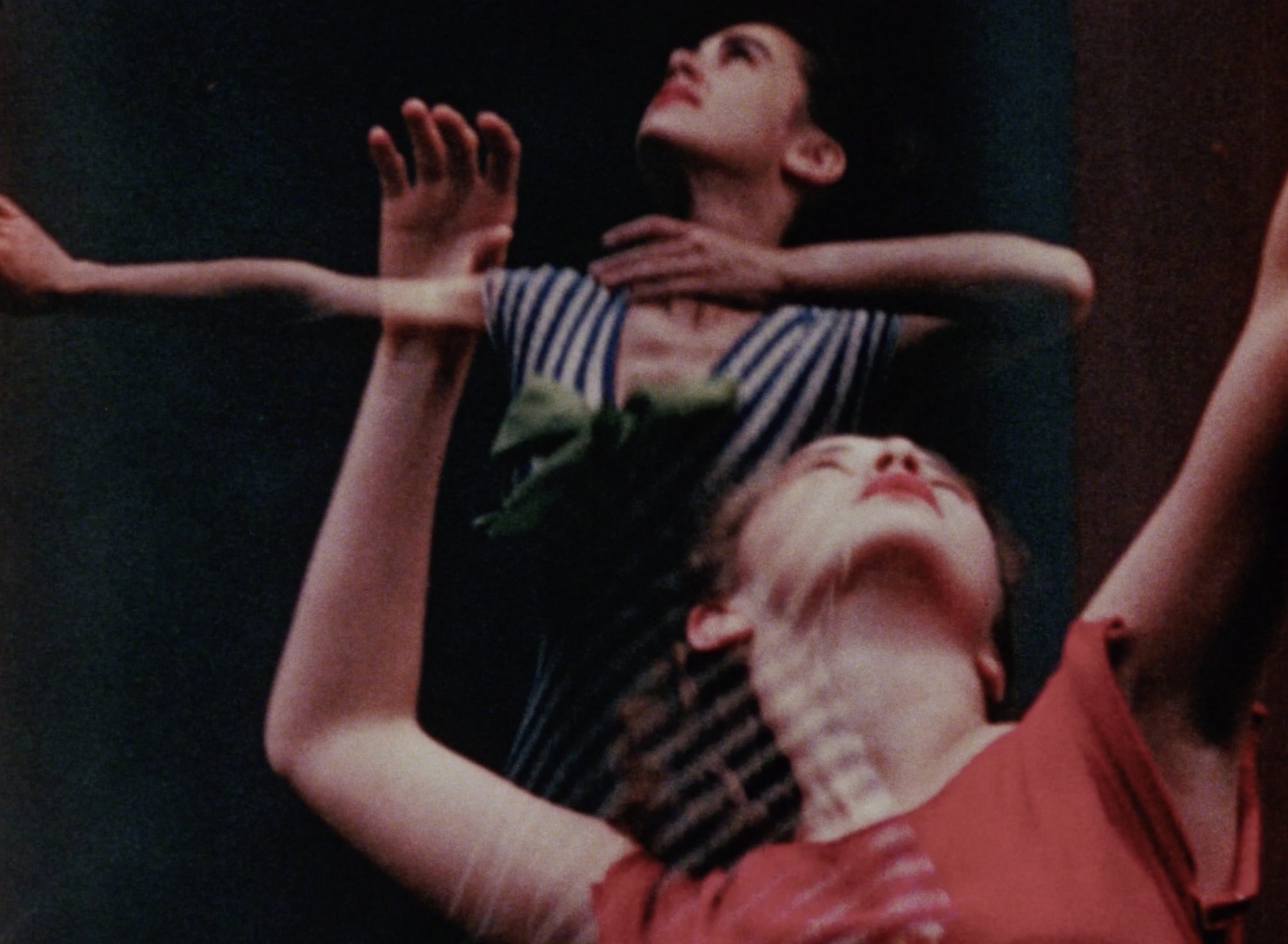
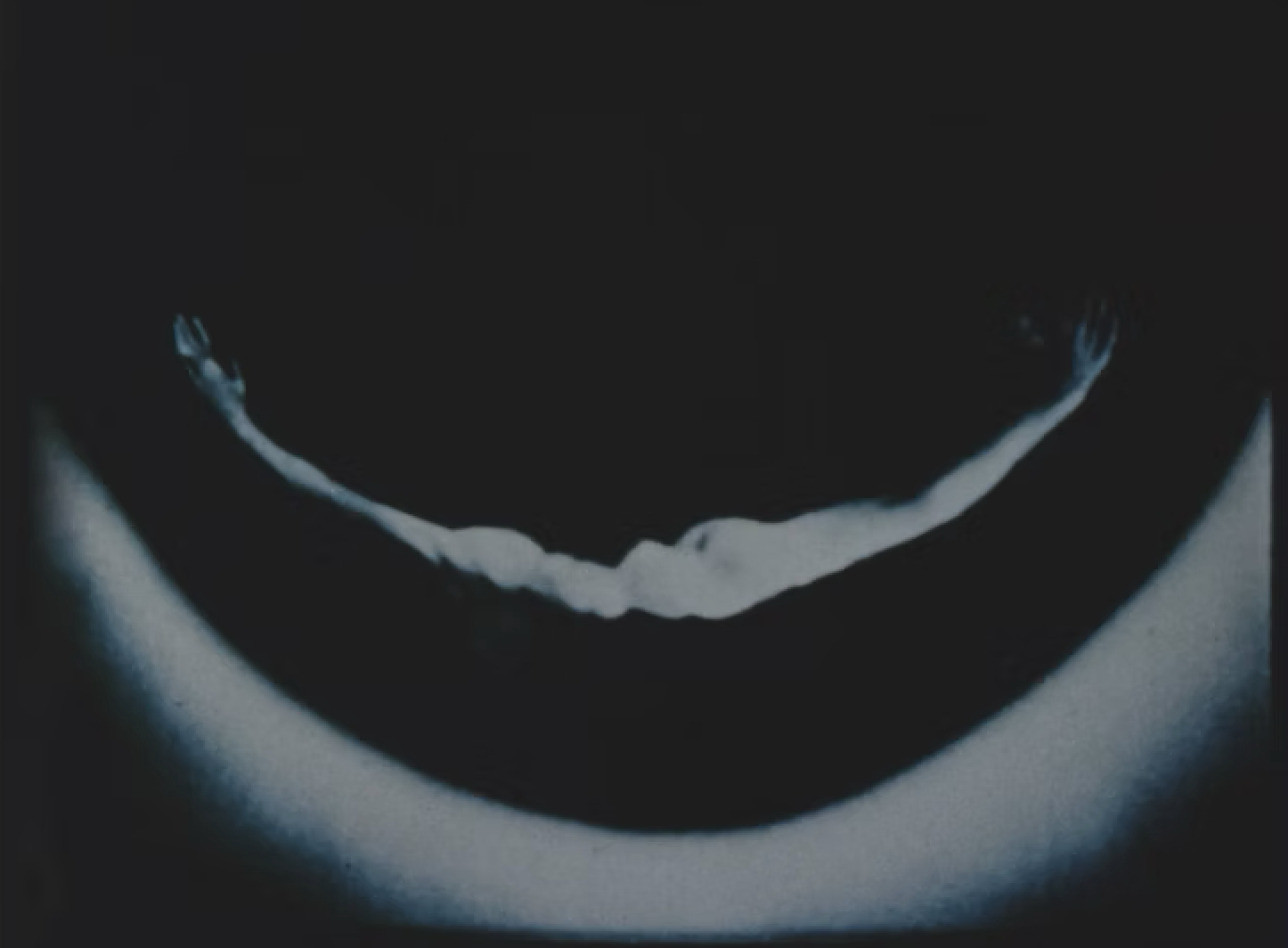
Still from Horror Dream, Sidney Peterson, Marian Van Tuyl
2:00 PM
Featured Films
Introspection (1941/1946)
5:57 minutes
Director/Choreographer: Sara Arledge
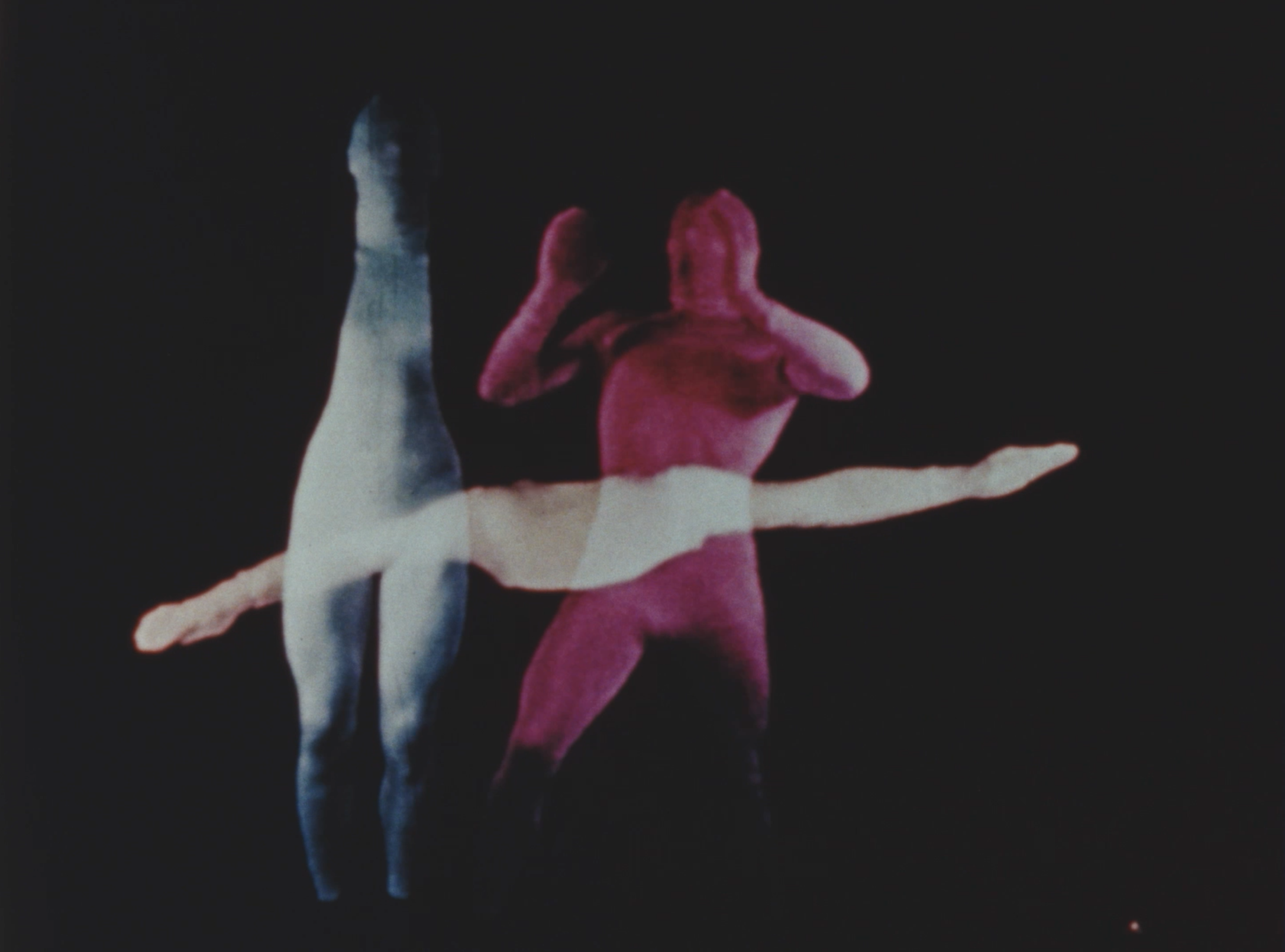
The final form of Introspection, which premiered as a part of SFMOMA’s Art in Cinema series on May 2nd, 1947, is notable as it is likely the first abstracted dance films ever created. In the piece, parts of dancers move in a darkened space free from gravitational constraints. Their movement is elongated and abstracted, often evoking sculptural imagery rather than dancing bodies in space.
Triptych (1950)
8:30 minutes
Director: Padgett Payne
Triptych is derived from a solo choreographed by former Martha Graham Company dancer Welland Lathrop. The original work, Three Characters for a Passion Play, depicts three distinct characters set to Bela Bartok’s Three Burlesques. In developing the filmic version of the solo, Lathrop strayed from a representational approach to the dancing body in space, favoring instead the application of filmic techniques to bring the dynamic and emotional qualities of the solo to the screen.
Horror Dream (1946)
10 minutes
Director: Sidney Peterson
Choreographer: Marian Van Tuyl
Marian Van Tuyl, founder of Mills College’s Dance Department, created Horror Dream as a live work in 1941 and met Sidney Peterson during the Art in Cinema screening series in 1946. Peterson then asked if Van Tuyl would be willing to “destroy” the piece for purposes of making an experimental film. The primary element of this destruction was the placement of the camera, which was situated at the center of the performing space rather than at an angle that would capture the entire proscenium. This simple placement disorients the viewer in the space and the camera fixes their gaze, evoking a feeling of sleep paralysis.
Clinic of Stumble (1947)
16 minutes
Director: Sidney Peterson
Choreographer: Marian Van Tuyl
The second collaboration between Van Tuyl and Peterson, Clinic of Stumble, was also created for the Art In Cinema series at the San Francisco Museum of Modern Art in 1948. Choreographed specifically for the film, Van Tuyl played with the concept of figures clad in dark coats revealing their true outfits, which reflected the private personalities within.
Hangar (1957)
7 minutes
Director: William Heick
Choreographer: Anna Halprin
HANGAR features Anna Halprin’s dancers improvising at a construction site at San Francisco International Airport. Filmmaker W.R. Heick captures them from both ground and air and demonstrates an extraordinary early example of a cinematic approach to site-specific performance capture. Films like Hangar (in addition to many site-specific captures) present provocative and still pressing questions regarding the delineations between dance documentation and dance film.